The light in Lisbon is famous and the light in Lisbon is correct: it does, in fact, fall on the buildings the way photographers have always said it does — soft, low, the color of weak tea, holding the city in suspension for about ninety minutes between roughly four and five-thirty in the afternoon depending on the time of year.
I'd come to Lisbon because three different people had told me to in the same month, two of them in passing, which is usually how I decide things. I'd booked a flat for fourteen nights in Alfama, the oldest quarter, because that's where the writer Pessoa walked to die, and because the woman who runs the flat, named Conceição, had answered every one of my emails within forty minutes in a way that struck me as the right kind of attention.
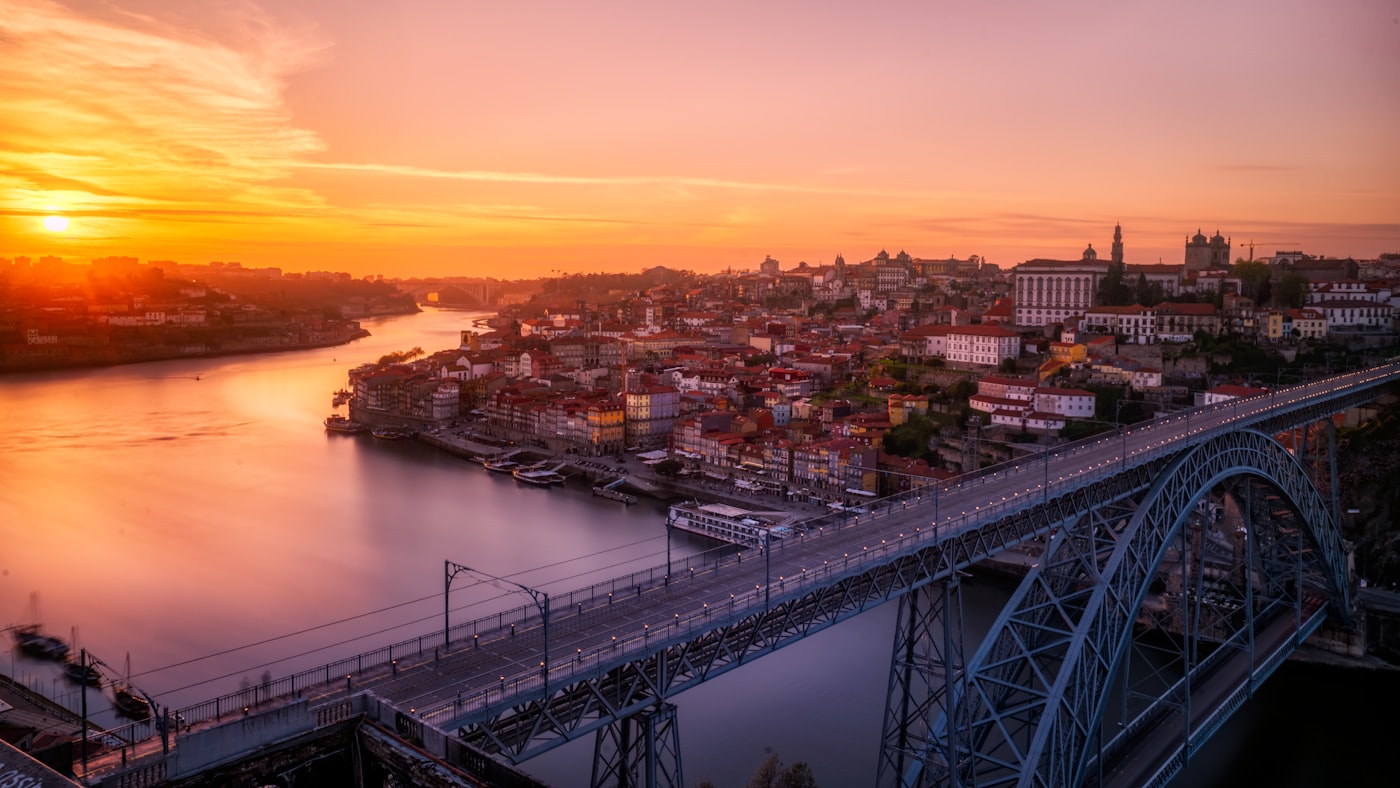
The fish market at 6am.
The fish market opens at six. I went on a Tuesday, because the fishmonger at the corner café had told me Tuesdays were the day the trawlers came in from Sesimbra, which he said with the kind of confidence that made it clear he didn't really care if it was true, only that I went.
The thing about a fish market at six in the morning, in a country that takes fish seriously, is that everyone there is doing the only thing they could possibly be doing at six in the morning. There is no second activity. There is no someone-buying-a-coffee-on-the-way-to-pilates. There is only the fish, and the people who care about the fish, and the small, polished, slightly bored silver of the fish itself.
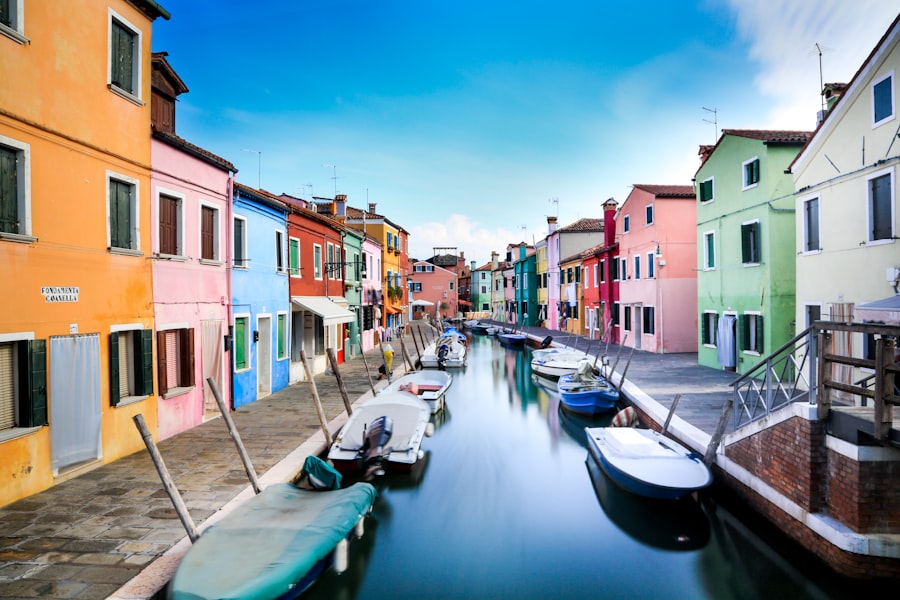

It is the most expensive thing in the world to be in a hurry — and Lisbon, mercifully, charges a discount.
And about the light.
The light is real. I sat on the roof of the flat in Alfama for ten of the fourteen evenings and watched the light hit the tiles of the house across the courtyard, which were the blue-and-white tiles called azulejos, and which had, I learned, been mounted on that wall in 1923 by a man named Manuel da Costa, and which had, depending on how the sun was hitting them, either eight or twelve discernible shades of blue.
It was, I will admit, the most expensive cup of espresso I drank in the whole two weeks — €1.40 — and the most expensive cup of espresso I'd drink anywhere in 2026. I drank it slowly. I drank it in fourteen consecutive sittings. I drank it because it was a price I could afford to be careful about, in a country that had not yet decided that being careful was a luxury good.